
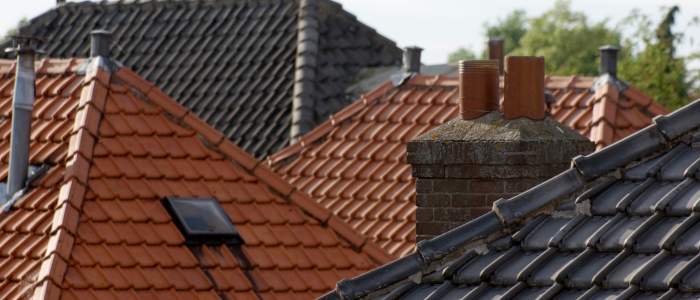
If a section of your roof just blew off, every second counts. What might look like a “small missing area” can quickly turn into major water intrusion, structural damage, and costly repairs inside your home. Wind, storms, or fallen debris don’t just remove shingles—they open a direct path for rain to destroy insulation, ceilings, and even electrical systems. But here’s the good news: if you act immediately, you can limit the damage significantly and often reduce repair costs.
In this guide, you’ll learn exactly what to do in the first critical minutes, how to protect your home temporarily, and when to call a professional roofer. Don’t wait for the next rainstorm to make things worse—take control of the situation right now and protect your home before the damage spreads further.
How Much Danger Are You In Right Now?
Let me be blunt: a missing roof section is one of the most dangerous situations a homeowner can face. Your roof is not just cosmetic — it is the structural skin of your entire home. When a section blows off, everything beneath it is instantly vulnerable: your attic, your insulation, your ceilings, your electrical system, and the structural integrity of your walls.
The risks compound fast. Even a single hour of rain exposure after a blowout can soak insulation so thoroughly it takes weeks to dry — and wet insulation is a mold factory. If the damage reaches your electrical wiring, you’re looking at fire risk on top of everything else.
Why Roofs Blow Off — The Real Causes
Understanding why your roof failed helps you make smarter decisions about the repair. In my experience, blown-off roofing almost always comes down to one of these causes:
- High winds exceeding the design load of your roofing system — typically anything above 60–90 mph for standard asphalt shingles
- Poor original installation — underlayment not properly fastened, insufficient nailing patterns, or wrong nail length
- Age-related adhesive failure — the self-sealing strip on shingles degrades over time, making them vulnerable to uplift
- Previous improper repairs that created weak points along ridges, valleys, or edges
- Ice dam damage in winter that loosened shingles, leaving them ready to peel in the next windstorm
- Roof edge and soffit failures — wind gets underneath the drip edge and peels sections upward like a lid
The edge of the roof — the eaves and rakes — is almost always where blowouts start. Wind creates uplift pressure underneath the shingles at the perimeter. If the starter course or drip edge is compromised, the wind finds its way under and the damage cascades inward rapidly.
7 Immediate Steps to Take Right Now
Do these in order. Don’t skip ahead.
- Get everyone out of rooms directly below the damage.Ceiling collapse is a real risk. If you hear cracking, groaning, or see sagging — evacuate that area of your home immediately and do not return until a professional has assessed it.
- Turn off electricity to affected areas.Go to your breaker panel and switch off circuits for any rooms beneath the damaged section. Water and live electricity is a lethal combination. If you are unsure which circuits are affected, shut off the main breaker.
- Stop interior water spread immediately.Lay down plastic sheeting and towels. If ceiling drywall is bulging, carefully puncture it at the lowest point with a screwdriver to release pooled water in a controlled stream rather than a sudden collapse.
- Photograph and video everything — right now.Before you touch anything, document the exterior damage, the interior water intrusion, and every affected room. This footage is critical for your insurance claim. Time-stamp it if possible.
- Call a licensed emergency roofing contractor.Search for “emergency roof repair” in your area. A reputable contractor will deploy a crew with tarps to make your roof weathertight within hours — even at night or on weekends. Do not wait for your regular contractor if they can’t respond immediately.
- Call your homeowner’s insurance company.Report the claim as soon as possible. Most policies require “prompt notice” of damage. Ask your insurer what emergency mitigation steps they expect you to take and whether they cover emergency tarp installation.
- Keep all receipts for emergency expenses.Emergency accommodation, tarps, water damage cleanup — document every dollar. Most insurance policies cover reasonable mitigation costs as part of your claim.
Do not climb onto your roof during or immediately after a storm. Wet roofing material is dangerously slippery. Wind conditions may still be hazardous. Loose shingles and debris create unpredictable footing. Falls from roofs are one of the leading causes of accidental death for homeowners — leave the roof to the professionals.
What NOT to Do After a Roof Blowout
In a panic, homeowners make decisions that cost them thousands. Here are the mistakes I see most often on emergency call-outs:
- Do not go on the roof yourself — ever, in these conditions
- Do not use a tarp that is too small — it must extend well past the damaged area on all sides and be properly secured, not just thrown over
- Do not hire the first contractor who knocks on your door after a storm — storm chasers are notorious for poor work and inflated prices
- Do not sign over your insurance rights to a contractor (“Assignment of Benefits”) without understanding what you’re signing
- Do not begin permanent repairs until your insurance adjuster has inspected the damage
- Do not throw away damaged materials — adjusters need to see them to validate your claim
- Do not assume your neighbor’s roofer is properly licensed and insured — always verify independently
Temporary vs. Permanent Repairs Explained
What a temporary repair covers
An emergency tarp or temporary patch is designed to do one thing: keep water out until a proper repair can be completed. A good temporary repair uses heavy-duty polyethylene tarps (6-mil or thicker), secured with wood battens and screws — not just bricks or sandbags. It should extend at least four feet beyond the damaged area in every direction and be anchored to prevent wind from pulling it free.
A temporary repair is not a fix. It buys you days or weeks — not months. Plan your permanent repair immediately while the temporary protection is in place.
What a permanent repair involves
Depending on the extent of the damage, a permanent repair may involve replacing individual shingles and damaged underlayment, replacing an entire roof section, repairing or replacing the roof deck (plywood sheathing) if it has been soaked or torn, and addressing any damaged fascia, soffits, or flashing at the same time. Ignoring secondary damage during a repair is one of the most expensive mistakes homeowners make.
Pro advice: If your roof is over 15 years old and a significant section has blown off, get an honest assessment of the entire roof before committing to a partial repair. In many cases, a targeted repair on an aging roof simply transfers the weak point to an adjacent area. A full replacement — while larger upfront — is often the sounder long-term decision.
Repair Costs After Storm Damage in 2026
Here’s a realistic cost breakdown. Storm damage repairs often cost more than standard repairs due to urgency, access complexity, and the need to address secondary damage.
| Repair Type | Estimated Cost (USD) | Notes |
|---|---|---|
| Emergency tarp installation | $300 – $1,000 | Often covered by insurance as mitigation |
| Partial roof section replacement | $1,500 – $6,000 | Depends on size and pitch |
| Roof deck (sheathing) replacement | $500 – $2,500 | Required if deck is soaked or torn |
| Full roof replacement (asphalt) | $8,000 – $20,000 | If damage is widespread |
| Fascia and soffit repair | $500 – $2,000 | Often damaged in same event |
| Interior ceiling/drywall repair | $400 – $2,000 | After leak source is sealed |
| Mold remediation | $2,000 – $12,000+ | Only if mold has established |
Filing Your Insurance Claim the Right Way
Storm damage from wind is almost universally covered by standard homeowner’s insurance policies — but how you handle the claim process matters enormously.
- Report the claim immediately — most policies require prompt notification
- Provide your time-stamped photos and video as soon as the insurer asks
- Request a written copy of your policy’s wind damage coverage and deductible terms
- Do not begin permanent repairs before the adjuster inspects — but do complete emergency mitigation
- Get at least two independent repair estimates from licensed contractors
- If your claim is underpaid or denied, hire a licensed public adjuster — they work on your behalf, not the insurer’s
- Keep a written log of every call, email, and interaction with your insurance company including dates and names
Watch for storm chasers. After a major weather event, unlicensed contractors flood affected neighborhoods offering cheap, fast repairs. Many disappear after taking a deposit, do substandard work that fails within months, or saddle homeowners with fraudulent insurance claims. Always verify a contractor’s license number with your state licensing board before signing anything.
FAQs
Is it safe to stay in my home if part of the roof blew off?
It depends on the extent of the damage and current weather conditions. Rooms directly beneath the exposed area should be evacuated. If wind is still active, if the ceiling is sagging, or if electrical fixtures are near water, you should leave the home entirely until a professional assesses the situation. When in doubt, err on the side of caution — your home can be repaired, but you cannot.
Will my homeowner’s insurance cover a roof that blew off?
In most cases, yes. Wind damage is a covered peril under standard homeowner’s policies. However, coverage can be reduced or denied if the insurer determines the damage resulted from pre-existing neglect or wear and tear rather than the storm event itself. This is why proper documentation immediately after the event is so critical — it establishes the storm as the cause.
How long can a tarp protect my roof?
A properly installed heavy-duty tarp can provide reliable protection for two to four weeks in mild weather. In areas with continued wind, rain, or UV exposure, degradation can happen faster. Tarps are strictly a temporary measure — plan for permanent repair within days, not weeks. The longer a tarp sits, the greater the chance of it shifting, tearing, or failing at the worst moment.
Can I do a temporary repair myself?
Only if you can do so safely from ground level or through an upper-floor window — for example, pushing a tarp through an attic access point. Do not climb onto a damaged or wet roof under any circumstances. The structural integrity of a storm-damaged roof is unpredictable, and falls are fatal. For anything requiring roof access, call a professional with fall protection equipment.
Final Thought
When part of your roof blows off, it’s more than just a visible problem—it’s an open invitation for water, wind, and hidden structural damage to enter your home. The most important thing to remember is that speed matters. Quick action can be the difference between a manageable repair and a full-scale interior restoration. Even if the damage looks small from the ground, never assume it’s minor underneath. Temporary protection, like covering exposed areas, and calling a professional roofer immediately can save thousands in repairs. Your roof is your home’s first defense—protect it quickly, and it will continue protecting everything inside.