
When homeowners ask me about shingle roofing investment, they usually have one of two concerns: cost or value. What they often overlook is the third factor that ties everything together — protection. Your roof is the first and last line of defense for everything underneath it. Walls, insulation, ceilings, flooring, family heirlooms — they’re all depending on what’s overhead.
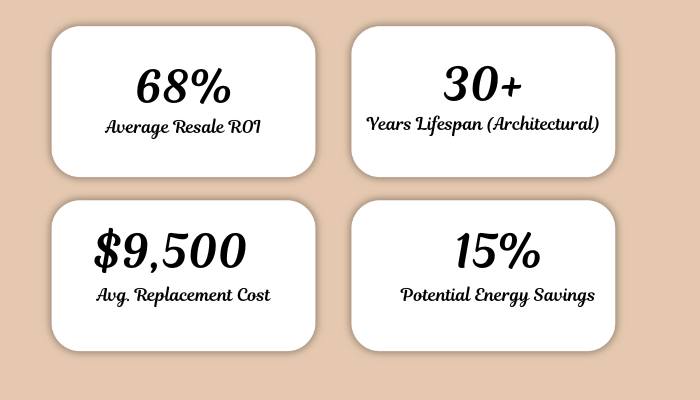
The good news? In terms of residential roofing ROI, few home improvements come close to a quality shingle roof replacement. According to Remodeling Magazine’s Cost vs. Value Report, a new asphalt shingle roof consistently delivers one of the highest return-on-investment rates of any exterior renovation — often recovering 60–70% of project costs at resale, and far more in terms of insurance savings, energy efficiency, and avoided water damage repairs.
Types of Roofing Shingles & Their Investment Value
Not all shingles are created equal — and the type you choose has a massive impact on your long-term roofing value. Let me break down the most common options and give you my honest professional take on each.
Asphalt Shingles (3-Tab & Architectural)
3-tab asphalt shingles are the entry-level option — flat, lightweight, and budget-friendly. They’ll last around 15–20 years under normal conditions. Honestly? I rarely recommend them anymore. For just a bit more money, architectural (dimensional) shingles give you a much thicker, more durable product with a 25–30 year lifespan and better curb appeal. If you’re doing an asphalt roof, go architectural. It’s the sweet spot of cost vs. value.
Impact-Resistant Shingles
If you live in a hail-prone area, impact-resistant shingles are worth every extra dollar. They carry a Class 4 rating — the highest available — and many insurance companies offer a 20–30% premium discount for homes with them. I’ve seen homeowners pay back the price difference in insurance savings within 3–5 years. That’s a hard investment to beat.
Metal Shingles
Metal shingles are growing fast, and for good reason. They last 40–70 years, are highly fire-resistant, and can significantly lower cooling costs thanks to their reflective properties. Higher upfront cost, yes — but the lifetime cost per year is actually lower than most asphalt options. See our deeper comparison in our metal vs. asphalt shingles guide.
Composite / Synthetic Shingles
These engineered shingles mimic the look of slate or wood shake without the weight or maintenance headaches. They’re an excellent middle-ground investment — durable (40–50 years), Class 4 rated, and increasingly popular in premium neighborhoods where aesthetics matter for resale value.
Slate & Wood Shingles
Real slate can last over 100 years. Real cedar shakes bring unmatched natural beauty. Both are premium investments suited to high-end homes where property values justify the cost. Not the right fit for every budget, but for the right home — these materials are generational investments.
| Shingle Type | Avg. Lifespan | Cost / Sq. Ft. | Best For | Value Rating |
|---|---|---|---|---|
| 3-Tab Asphalt | 15–20 yrs | $1.50–$2.50 | Tight budgets | Average |
| Architectural Asphalt | 25–30 yrs | $2.50–$4.00 | Most homeowners | Best Value |
| Impact-Resistant | 25–30 yrs | $3.50–$5.50 | Hail-prone regions | Best Value |
| Metal Shingles | 40–70 yrs | $6.00–$12.00 | Long-term owners | High Long-Term |
| Composite / Synthetic | 40–50 yrs | $5.00–$10.00 | Premium aesthetics | High Long-Term |
| Slate | 75–100+ yrs | $15.00–$30.00 | High-end homes | Premium |
How Much Does a Shingle Roof Cost in 2026?
This is the question I get asked most. And I’ll give you a straight answer — no games, no bait-and-switch pricing tactics. The average cost of a shingle roof replacement in the U.S. in 2026 typically falls between $7,000 and $16,000 for a standard single-family home, with the national average sitting around $9,500–$11,000.
Here’s what drives that number up or down:
- Roof size and pitch: A steeper, larger roof means more labor, more materials, and more safety equipment. Steeper roofs can add 20–40% to the total cost.
- Shingle type chosen: Going from 3-tab to architectural adds maybe $1,000–$2,000 on a typical home. Going to metal adds $10,000–$20,000+.
- Number of layers to remove: If you have two existing layers of shingles (the max allowed by code), stripping them first adds $1,000–$3,000 in labor.
- Decking condition: Rotted sheathing is often discovered mid-job. Budget a 10–15% contingency for hidden repairs.
- Geographic location: Labor rates in the Northeast and West Coast run 30–50% higher than the Midwest or South.
- Contractor quality: A proper installation from a licensed, insured roofer is worth the price premium. I’ve re-roofed countless homes after cheap jobs failed in under 5 years.
Red Flag: If a contractor quotes you significantly lower than competitors without explanation, walk away. Cutting corners on underlayment, flashing, or ventilation is invisible to you now — and catastrophic later.
For a full breakdown of what to expect in your area, read our complete roof replacement cost guide — including how to get accurate quotes and what questions to ask your contractor.
ROI: What Return Can You Expect on a Shingle Roof?
“A new roof doesn’t just protect your home — it signals to buyers, insurers, and appraisers that your property is well cared for. That signal is worth real money.”
Let’s talk numbers. The return on investment for a new shingle roof comes from several sources — not just resale value:
Home Resale Value
A new asphalt shingle roof adds an average of $12,000–$15,000 to a home’s market value, while costing an average of $9,500–$11,000 installed. That’s an immediate gain on paper — and it dramatically speeds up sales. Homes with aging roofs frequently sit on the market longer, receive lower offers, or get flagged in inspections, leading to renegotiation. Learn more in our guide on how your roof affects home value.
Insurance Premium Reduction
A new roof — especially one with impact-resistant or Class 4 shingles — can reduce your homeowner’s insurance premiums by 10–35% annually. On a $2,400/year policy, that’s $240–$840 back in your pocket every year. Over 10 years, that’s potentially $8,400 in savings from insurance alone.
Energy Efficiency Savings
Modern energy-efficient shingles with reflective granules can reduce attic heat by 20–30°F, cutting cooling costs by 10–15% in warmer months. Over a 25-year lifespan, that adds up to thousands in reduced utility bills.
Avoided Repair Costs
This is the one most homeowners underestimate. A leaking roof doesn’t just damage shingles — it damages insulation, drywall, structural timber, and personal property. Water intrusion repairs from a neglected roof can run $10,000–$50,000+ depending on severity. A proactive replacement now prevents reactive repair spending later.
Lifespan & Durability: Making Your Investment Last
The lifespan of a shingle roof is one of the most misunderstood aspects of the entire investment. I’ve seen 20-year shingles fail in 10 years and 25-year shingles still going strong at 35. Why? Three factors dominate: installation quality, ventilation, and maintenance.
Proper attic ventilation is huge. A roof installed over a poorly ventilated attic will fail years ahead of schedule as heat and moisture attack the shingles from underneath. When I walk a job, I always inspect the ventilation before I quote the shingles — because a premium shingle installed over a bad ventilation system is a wasted investment. Learn how proper attic ventilation extends shingle life in our dedicated guide.
- Schedule a professional roof inspection every 3–5 years — small issues caught early are cheap; ignored ones become catastrophic.
- Keep your gutters clean — backed-up gutters cause ice dams in winter and water intrusion along fascia year-round.
- Trim overhanging branches that drop debris and hold moisture against your shingles.
- After major storms, do a visual check for missing, cracked, or lifted shingles and call for prompt repairs if you spot damage.
- Never pressure-wash asphalt shingles — it strips the protective granule layer and voids most manufacturer warranties.
Signs You Need a New Shingle Roof
One of the most common things I hear from homeowners is “I didn’t know it was that bad.” By the time water is dripping through your ceiling, the damage has usually been building for months or years. Here are the early warning signs that your shingle roof has reached the end of its investment cycle:
- Curling or cupping shingles — shingles that curl up at the edges or cup in the middle are failing at the granule/fiberglass layer and losing their ability to shed water.
- Granule loss in gutters — if your gutters are filled with small gritty pebbles after rain, your asphalt shingles are eroding. This is one of the most reliable end-of-life indicators.
- Missing shingles — one or two missing after a storm is repairable. Widespread loss means the adhesive strips are failing and a full replacement is due.
- Daylight in the attic — if you can see light through the roof boards, water can get in just as easily.
- Sagging roof deck — a visible dip or sag from the ground means structural damage and requires immediate professional assessment.
- Age — if your asphalt shingle roof is 20+ years old and hasn’t been inspected recently, do it now. Don’t wait for a leak.
For a complete walkthrough, read our 15 signs you need a new roof — including photos from real job sites to help you identify what to look for.
Pro Tips to Maximize Your Shingle Roofing Investment
After two-plus decades in this business, these are the pieces of advice I give to every homeowner before they sign a contract:
Don’t Shop on Price Alone
I know it’s tempting. But roofing is one of the few industries where the cheapest bid almost always means the cheapest outcome. Verify your contractor is licensed, carries liability and workers’ comp insurance, and has local references. A bad installation voids manufacturer warranties and leaves you with zero recourse.
Understand Your Warranty Stack
A quality shingle roof comes with two warranties — a manufacturer’s material warranty (covering the shingles themselves) and a workmanship warranty from the contractor. The latter is often the more important one. Some manufacturers offer enhanced warranties (like Owens Corning’s Preferred Contractor program) that extend coverage significantly. Ask your contractor about how to maximize your roofing warranty coverage.
Time Your Project Strategically
Spring and fall are peak season for roofers — meaning longer lead times and sometimes higher prices. Late winter or late summer can yield better scheduling and, occasionally, better pricing. Just ensure the weather window is appropriate for installation (most shingles require temperatures above 40°F to seal properly).
Consider the Full System
Shingles are the visible layer, but a proper roofing system includes quality underlayment, ice and water shield, proper flashing, ridge cap shingles, and adequate ventilation. Cutting corners on any of these — even with premium shingles on top — compromises the entire investment.
Keep Documentation
Keep all receipts, warranties, and inspection reports in a folder. When you sell your home, this documentation is tangible proof of investment and adds negotiating power. Insurance claims also go smoother when you have a clear record of your roof’s history.
FAQs
How long does a shingle roof last?
It depends on the type. 3-tab asphalt shingles last 15–20 years. Architectural shingles last 25–30 years. Metal and composite shingles can last 40–70 years. Slate can last 100+ years. Proper installation and ventilation play a huge role in achieving the upper end of these ranges.
Is it worth replacing a roof before selling a house?
In most cases, yes. A new roof removes a major buyer objection, speeds up the sale, and can add $12,000–$15,000 in perceived value. At minimum, get a professional inspection and address any visible issues before listing — buyers and their inspectors will find them anyway.
Can I put new shingles over old shingles?
Code generally allows one re-roof over an existing layer. However, I rarely recommend it. You can’t inspect the decking condition, you add unnecessary weight, and the new shingles won’t lay as flat — affecting both aesthetics and longevity. A full tear-off is almost always the better long-term investment.
What is the best shingle for ROI?
For most homeowners, architectural asphalt shingles offer the best balance of upfront cost and long-term return. If you live in a hail-prone area, upgrade to Class 4 impact-resistant shingles — the insurance savings alone often justify the extra cost within a few years.
Final Thoughts
Shingle roofing is a smart, practical, and cost-effective investment for most homeowners. While it may not last as long as premium roofing materials, its affordability, versatility, and solid ROI make it a top choice in 2026.
If you’re planning a roof upgrade or building a new home, shingles offer a reliable balance between performance and price—making them one of the most trusted roofing solutions available today.