
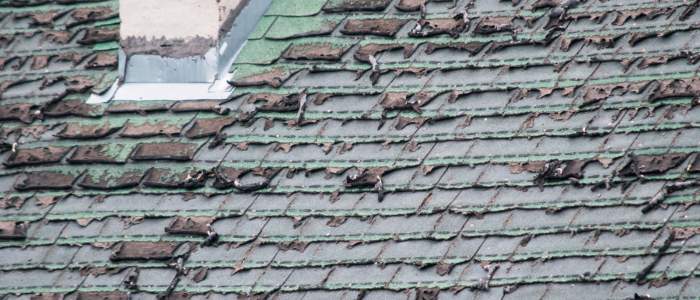
If your roof is leaking right now, stop what you’re doing and take action immediately. A roof leak is never just a minor inconvenience — it is a full-blown emergency that demands your urgent attention. As a professional roofer with years of hands-on experience working across residential and commercial properties, I have responded to hundreds of emergency leak calls throughout my career. And every single time, the homeowners and property managers who acted fast paid significantly less and suffered far less damage than those who delayed even by a few hours.
Water is one of the most silently destructive forces your home will ever face. It does not announce itself loudly. It creeps through tiny gaps, travels along hidden pathways inside your roof structure, and causes devastating damage long before you even realize it is there. In just a few hours, a small drip can completely soak through layers of insulation, warp and rot structural wooden beams, stain and destroy drywall, trigger dangerous mold growth, and seriously compromise the structural integrity of your entire roof system. What starts as a simple $300 repair can spiral into a $10,000 nightmare if left unaddressed even for a short period of time.
This comprehensive guide will walk you through every critical step you need to take right now if your roof is actively leaking. We will cover emergency containment steps, how to locate the true source of the leak, safe temporary fixes, when and why to call a professional roofer, what repairs typically cost, how to handle your insurance claim, and how to protect your property from future leaks going forward.
Step 1: Stay Calm and Contain the Water Immediately
The moment you spot a roof leak, your number one priority is minimizing interior damage as quickly and effectively as possible. Panic will cost you time and money — fast, smart action will save both. Grab every bucket, pot, trash can, or large container you can find and position them directly under all dripping water points. Lay down old towels, thick plastic sheeting, or waterproof tarps across your flooring to protect it from water damage and eliminate dangerous slipping hazards for everyone moving through the affected area.
If you notice your ceiling bulging or sagging due to water pooling above it, carefully puncture a small hole at the lowest point of the bulge using a screwdriver or any sharp object. This controlled release is critically important — it allows the trapped water to drain in a manageable stream rather than building up pressure until the entire ceiling section suddenly collapses under the weight. A small deliberate hole is always infinitely better than an unexpected and potentially dangerous ceiling cave-in that could injure someone below.
Move all electronics, furniture, rugs, important documents, artwork, clothing, and any other valuables out of the affected area as quickly as possible. Water damage to personal belongings is frequently permanent and irreversible, and your insurance policy may not fully cover the replacement value of everything inside your home. Immediately unplug all electrical appliances and devices in the affected area. If water is dripping near your electrical panel, any outlet, or any light fixture, turn off the electricity to that section of your home at the breaker box right away — this is a fire and electrocution risk that must be treated with absolute seriousness.
Step 2: Document All Damage Thoroughly Before Cleaning Up
Before you touch a single mop, sponge, or paper towel, pick up your phone and thoroughly document every single bit of damage you can see throughout the affected area. Take clear, detailed photos and videos of the ceiling damage, all visible water intrusion points, any staining on walls or floors, any damaged or soaked insulation visible through attic access points, and all damage to your furniture and personal belongings. Capture wide establishing shots for overall context and tight close-up shots for specific damage detail. Make sure your photos are timestamped — most modern smartphones do this automatically.
Write down the exact time you first noticed the leak and provide a thorough description of the weather conditions at that time. Note whether there was a recent storm, prolonged heavy rain, strong wind, hail, snow accumulation, or ice in your area in the hours or days before the leak appeared. Record the date carefully and maintain a written log documenting how the damage progresses over the following hours and days. Insurance adjusters will ask all of these specific questions during the claims review process, and having accurate, detailed, timestamped answers and documentation on record protects your financial interests enormously. Never skip this step under any circumstances — thorough documentation can be the decisive difference between a fully approved insurance claim and a frustratingly denied one.
Step 3: Locate the True Source of the Leak
Here is where a very large number of homeowners make an extremely costly mistake. They assume the leak is located directly above wherever they see the drip appearing inside their home. This assumption is almost always wrong. In reality, water travels — sometimes traveling quite far along rafters, wooden beams, and roof sheathing — before finally dripping down into your living space. Water can enter your roof at one specific location and appear as a visible drip somewhere completely different and unrelated inside your home, sometimes many feet away from the actual entry point.
If it is safe to do so, head up into your attic with a bright flashlight and look carefully and methodically for the following signs of water intrusion. Wet or heavily stained insulation is one of the clearest and most reliable indicators of active water entry. Dark water stains or streaking marks running along rafters and roof sheathing show you the exact path water has been traveling inside your roof structure. Visible daylight coming through the roof boards anywhere in the attic is a serious and extremely urgent warning sign that demands immediate professional inspection and repair. Mold or mildew growth anywhere in the attic strongly suggests a recurring or long-standing leak that has likely been present far longer than you realized. Active dripping or pooling water should be carefully and patiently traced back toward the roof deck to identify the true original entry point.
The most common sources of roof leaks that professional roofers encounter regularly include the following important categories. Damaged, cracked, or completely missing shingles caused by wind, storm impact, or hail are consistently the most frequent culprits behind residential roof leaks. Failed, improperly installed, or corroded metal flashing around chimneys, skylights, dormers, and plumbing vents is the second most common cause of persistent leaks. Cracked, hardened, or completely deteriorated rubber pipe boots around roof penetrations are frequently overlooked during routine maintenance but are extremely common leak sources. Clogged or damaged gutters cause water to back up and force its way destructively under shingles and fascia boards rather than draining away properly. Open, damaged, or improperly sealed roof valleys where two roof planes meet are consistently high-risk zones for water entry. Ice dams forming along roof eaves trap meltwater and force it backward up under shingles in colder climates during winter months. Damaged, aging, or improperly installed roof underlayment beneath the shingles can allow water penetration even when the shingles themselves appear completely intact from ground level. Cracked or deteriorated roof deck sheathing allows water to bypass all other protective layers and enter your home structure directly.
Step 4: Apply a Temporary Fix Only When It Is Completely Safe
Never under any circumstances attempt to climb onto a wet, icy, moss-covered, or steep roof during active rainfall, strong winds, or any other dangerous weather conditions. Roof falls are consistently among the leading causes of serious permanent injury and accidental death among homeowners attempting emergency DIY repairs without proper safety equipment and training. Absolutely no amount of property damage is ever worth risking your life, your long-term health, or your physical safety. If conditions are not clearly safe, stay off the roof entirely and wait for a professional.
If weather conditions are genuinely calm, completely dry, and safe, and you are physically comfortable and appropriately experienced working at heights with proper footwear and safety equipment, here are the most effective temporary measures that can meaningfully slow further damage while you wait for a professional roofer to arrive and conduct proper repairs.
A heavy-duty polyethylene roofing tarp placed generously over the damaged area and secured firmly with wooden boards, heavy sandbags, or weighted objects is consistently the single most effective temporary solution available to any homeowner. Ensure the tarp extends well beyond the visibly damaged area on all sides — at least three to four feet in every direction — for maximum coverage and reliable protection against continued water entry during subsequent rain events.
For small visible cracks, gaps, or separations around flashing joints, chimney bases, skylight frames, or pipe penetrations, roofing cement or waterproof rubberized sealant applied carefully and generously with a putty knife can create a meaningful short-term waterproof seal that significantly reduces water intrusion. This is absolutely not a permanent solution by any measure, but it can buy you critically important time until professional repairs can be properly scheduled and executed.
Clearing clogged gutters and blocked downspouts carefully from a stable, properly positioned ground-level ladder is another practical, safe, and genuinely helpful step. Blocked gutters are a surprisingly frequent and underestimated contributor to active roof leaks, forcing water to back up under shingles and fascia boards rather than flowing away efficiently and safely. Verify also that all downspouts are directing water well away from your home’s foundation to prevent additional moisture-related problems at ground level.
Step 5: Call a Licensed Roofing Professional Without Delay
This is without any question the single most important and impactful step in this entire guide. A qualified, fully licensed, and comprehensively insured roofing professional brings specialized skills, professional-grade tools, and deep practical experience that no amount of DIY effort can ever adequately replicate. They will safely access your roof under proper controlled conditions and identify the true root source of the leak rather than simply treating the visible symptoms you can observe from inside your home. They will conduct a thorough assessment of the complete extent of water damage including all hidden deterioration inside your roof structure, compromised attic insulation, and stressed load-bearing components that you cannot safely evaluate yourself. They will recommend the most appropriate, building code-compliant, and genuinely cost-effective repair solution specifically suited to your roof type, its current age, its condition, and your budget. And they will execute that repair using professional-grade materials backed by manufacturer warranties and proven, tested installation techniques that are genuinely built to protect your home reliably for many years ahead.
When selecting a roofing contractor for your repair, always take the necessary time to verify that they carry full liability insurance and proper licensing before allowing them anywhere near your property. Look for well-documented local experience and a consistently strong track record of positive, verified customer reviews on reputable platforms. Request a clear, detailed, fully itemized written estimate before any work whatsoever begins and never accept a verbal quote alone as sufficient. Ask specifically and directly about warranties covering both materials and labor — reputable, confident contractors always stand firmly behind the quality of their work. Be extremely cautious of any contractor who aggressively pressures you into an immediate full roof replacement without first conducting a thorough independent inspection, requests an unreasonably large upfront cash payment before starting any work, or cannot immediately provide fully verifiable proof of current licensing and comprehensive liability insurance.
How Much Does Roof Leak Repair Typically Cost?
Repair costs vary considerably based on the severity and extent of the damage, the specific type and age of roofing material involved, the exact location and accessibility of the leak on your roof, and prevailing labor rates in your specific local market area. Here is a realistic and comprehensive cost breakdown for the most common roof leak repair types:
| Repair Type | Average Cost |
|---|---|
| Minor shingle repair or patch | $150 – $400 |
| Flashing repair around chimney or skylight | $200 – $600 |
| Pipe boot or penetration seal replacement | $150 – $500 |
| Roof valley repair | $300 – $800 |
| Fascia or soffit board repair | $500 – $1,500 |
| Gutter repair or full replacement | $200 – $1,000 |
| Roof underlayment repair or replacement | $500 – $1,500 |
| Major structural or decking repair | $1,000 – $3,500 |
| Flat roof membrane repair | $300 – $1,500 |
| Partial roof replacement | $2,000 – $8,000 |
| Full roof replacement | $5,500 – $15,000+ |
Acting quickly and decisively almost always keeps your total repair cost firmly in the lower end of these ranges. Delaying repairs by even a few days consistently and predictably turns small, entirely manageable costs into major, avoidable financial burdens.
Does Homeowner’s Insurance Cover Roof Leaks?
Understanding your homeowner’s insurance coverage for roof leaks can potentially save you thousands of dollars — but it requires clearly knowing what your specific policy covers and how to navigate the claims process correctly and strategically. Standard homeowner’s insurance policies are specifically designed to cover sudden and accidental damage caused by clearly defined covered perils. These typically include windstorms, severe rainstorms, hailstorms, lightning strikes, falling trees or large airborne debris, and in certain comprehensive policy types, damage caused by the weight accumulation of heavy ice or snow loads.
If a severe storm directly caused your roof to leak by damaging or forcibly removing shingles, tearing critical flashing loose, or causing a tree to fall onto your roof structure, that damage is almost certainly covered under your standard policy and your insurer should cover the full reasonable cost of repair or replacement minus your chosen deductible amount.
However, if your roof has been gradually and visibly deteriorating over many years due to normal aging, consistently deferred maintenance, or predictable general wear and tear, your insurance company will almost certainly classify the resulting damage as a preventable maintenance issue and deny the claim in its entirety, leaving the complete financial responsibility firmly with you as the property owner.
To give your insurance claim the strongest possible chance of full approval, document all visible damage immediately and comprehensively with dated photos and videos before any cleanup or repair work begins, file your claim with your insurer as promptly as possible after discovering the damage, obtain a detailed professional written damage assessment from a licensed roofing contractor to support your claim credibly and professionally, and avoid authorizing any permanent repairs until your insurance adjuster has fully completed their official on-site inspection of the damage.
Critical Warning Signs Your Roof May Be About to Fail
If your roof is not currently leaking but you want to proactively stay ahead of potential serious problems before they become costly emergencies, watch carefully and regularly for these important warning signs that your roof system may be heading toward imminent failure.
Water stains or yellowish-brown discoloration appearing on your ceilings or upper walls are early but reliable indicators of ongoing hidden moisture intrusion. Curling, cracking, buckling, blistering, or completely missing shingles leave your vulnerable roof deck dangerously exposed to direct water entry. Excessive granule loss from aging asphalt shingles — clearly visible as heavy granule accumulation in your gutters and downspouts — signals that your shingles are rapidly approaching the absolute end of their effective protective service life. Sagging, soft, or visibly uneven areas anywhere on your roof deck strongly suggest serious structural deterioration occurring beneath the surface that requires urgent professional evaluation. Any daylight visible through your attic boards represents an urgent and serious warning requiring immediate professional inspection and action. Persistent mold, mildew, or musty smells in your attic or upper floor living spaces reliably indicate ongoing hidden moisture problems within your roof system. Damaged, loose, heavily corroded, or completely missing metal flashing around chimneys, skylights, and roof vents are among the most direct and common precursors to active and recurring leaks. Gutters visibly pulling away from the roofline indicate fascia board damage and create immediate potential water intrusion points along the entire roof edge. Cracked, dried, or missing caulking around any roof penetration point is a simple but dangerously frequently overlooked warning sign that creates a direct water entry pathway. Any roof 20 years or older without a recent thorough professional inspection is statistically well overdue for significant problems.
Scheduling a thorough professional roof inspection twice per year — ideally in early spring after winter weather stress and again in early fall before winter arrives — is one of the smartest, most cost-effective, and most financially protective maintenance investments any homeowner or commercial property manager can possibly make.
FAQs
How Do I Know If My Roof Leak Is Serious?
Every active leak is serious. Watch for water near electrical fixtures, sagging ceilings, visible mold growth, or soft rotted wood in your attic. These signs indicate deep structural damage requiring immediate professional attention. Never ignore an active leak — call a roofer today.
Can I Fix a Roof Leak Myself?
Basic containment like placing buckets and tarps is fine. However, a proper lasting repair requires a licensed professional. DIY repairs risk personal injury, worsening the damage, voiding material warranties, and complicating your insurance claim. Always call a qualified roofer for the actual repair work.
How Long Can I Wait Before Repairing a Roof Leak?
You cannot afford to wait even 24 hours. Mold begins growing within 24 to 48 hours. Wood rots within days. A $300 repair today can become a $10,000 project within weeks. Act immediately — every hour of delay makes the damage significantly worse and more expensive.
Will My Homeowner’s Insurance Pay for Roof Leak Repairs?
Insurance typically covers sudden storm damage including wind, hail, and falling trees. It does not cover leaks caused by age or neglect. Document everything, file your claim promptly, and get a written roofer assessment to support your claim and maximize your chances of full approval.
Final Thoughts
A leaking roof is one of the most stressful situations any homeowner or commercial property owner can face. But the good news is this — when you act fast, stay calm, and make the right decisions, most roof leaks are completely fixable without breaking the bank.
The steps are straightforward. Contain the water. Document the damage thoroughly. Apply a safe temporary fix if conditions allow. And most importantly, call a licensed, experienced roofing professional as soon as possible. Every hour you delay gives water more time to destroy your insulation, rot your wood, grow mold, and drive up your repair bill.
Your roof is your home’s first and most important line of defense against the elements. It protects everything and everyone you care about. Treat it with the urgency it deserves.
Do not wait for the damage to get worse. One phone call to a trusted local roofer today can save you thousands of dollars and weeks of stress tomorrow. Act now — your home is counting on you.