
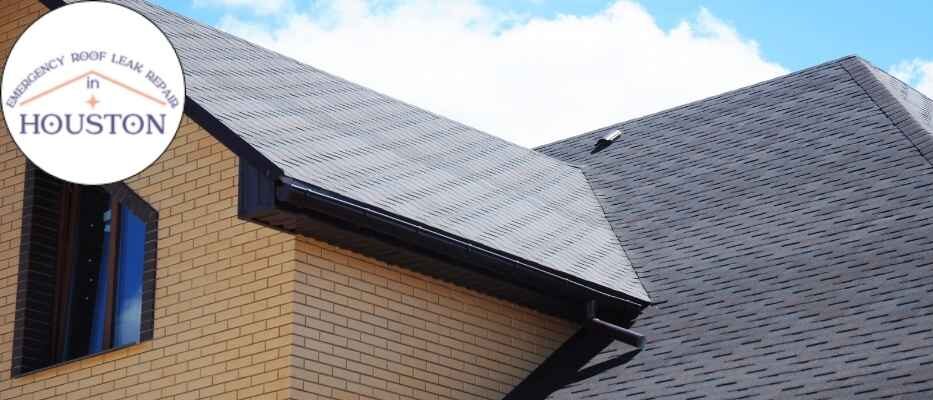
I once worked with a homeowner who loved the warm, familiar look of shingles but was tired of replacing them every couple of decades. If that sounds like you, you’re not alone. A metal roof that looks like shingles has become the sweet spot for homeowners who want curb appeal without giving up long-term performance.
You get the layered, classic appearance you’re used to, paired with the strength and longevity of metal. What really draws people in is how natural these roofs look from the street most neighbors never realize it’s metal at all. Beyond looks, these systems handle harsh weather, resist wear, and age gracefully.
For someone who cares about both beauty and durability, shingle-style metal roofing offers a practical upgrade that doesn’t force you to sacrifice the character of your home.
Common Types of Metal Roofs Designed to Mimic Shingles
| Style Type | Material | Visual Effect |
| Metal shingle panels | Steel | Traditional asphalt look |
| Stamped metal shingles | Aluminum | Clean, uniform lines |
| Stone-coated shingles | Steel core | Textured, dimensional finish |
Each option is designed to recreate the depth and pattern of standard shingles while delivering metal’s performance benefits. The choice usually comes down to how much texture and definition you want on the roof surface.
How Shingle-Look Metal Roofing Is Made and Designed
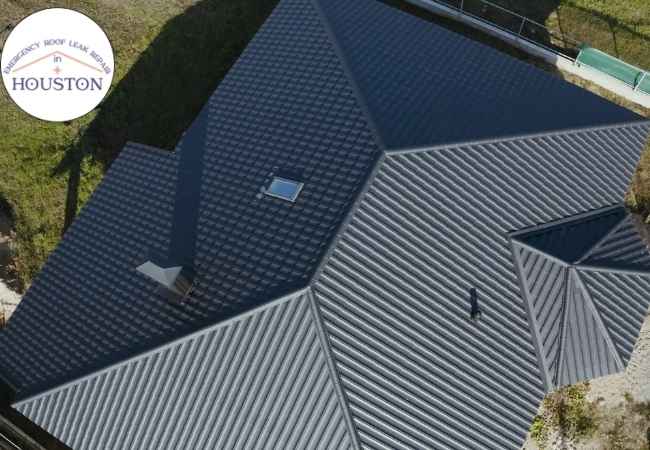
These roofs start as flat metal sheets that are pressed, stamped, or coated to create shingle-like depth. Advanced manufacturing allows each piece to mimic the shadow lines and overlaps you’d expect from asphalt shingles.
Protective finishes are then applied to lock in color and resist fading. When homeowners ask me how a metal roof that looks like shingles can feel so authentic, the answer is precision. Every contour is intentional.
The result is a roofing system that looks familiar up close and from the curb, yet performs like engineered metal rather than layered composite materials.
Top Visual Features That Make Metal Roofs Look Like Shingles
- Varied color blends that mimic natural granules
- Shadow lines that create depth and dimension
- Individual shingle-sized panels instead of long sheets
- Textured or stone-coated surfaces
- Patterns that match traditional roof layouts
These design details are what fool the eye and preserve the classic shingle aesthetic you want.
Material Choices and Surface Coatings Explained
Steel, aluminum, and stone-coated metal each bring something different to the table. Steel offers strength and consistency, aluminum resists corrosion, and stone-coated systems add texture and weight for a more traditional look.
Protective coatings shield the metal from UV exposure, moisture, and surface wear. When choosing a metal roof that looks like shingles, material selection directly affects lifespan, maintenance needs, and long-term appearance. High-quality coatings don’t just protect the roof they protect your investment and keep it looking sharp year after year.
Traditional Shingles vs. Metal Shingle Alternatives
Traditional shingles deliver familiar style but wear down faster and need more upkeep. Metal shingle alternatives hold their shape, resist cracking, and stand up better to wind and weather.
Visually, the gap has nearly disappeared. Performance-wise, metal pulls ahead by a wide margin. If you want the look you love without constant repairs, metal shingle systems offer a compelling upgrade.
Installation Styles for Shingle-Style Metal Roofing
| System Layout | Fastening Method | Performance Notes |
| Interlocking panels | Hidden fasteners | Clean appearance |
| Modular shingles | Overlapping design | Flexible layout |
| Stone-coated tiles | Batten or direct mount | Added depth |
Proper installation ensures the roof performs as good as it looks, especially over the long term.
Energy Efficiency and Environmental Benefits
Shingle-style metal roofing reflects more sunlight than traditional materials, helping reduce heat absorption. That can make indoor temperatures more stable and reduce cooling demand.
Many systems are recyclable and built to last decades, which lowers material waste over time. Choosing a metal roof that looks like shingles isn’t just an aesthetic decision it’s an environmentally responsible one that supports long-term efficiency without sacrificing style.
Weather Resistance, Warranties, and Performance Ratings
- Strong wind resistance due to interlocking designs: Engineered interlocking panels create a continuous, secure system that minimizes uplift, enhances structural stability, and performs reliably in high-wind and storm-prone environments.
- High impact ratings for hail and debris: Tested to withstand severe impacts, these materials reduce damage from hailstorms and airborne debris, helping maintain integrity during extreme weather events.
- Protective finishes that resist rust and fading: Advanced coatings shield surfaces from corrosion, UV exposure, and moisture, preserving appearance and performance over time with minimal maintenance requirements.
- Long-term warranties tied to material quality: Extended warranties reflect confidence in durability, covering manufacturing defects and performance standards, and providing long-lasting value and peace of mind.
These features work together to deliver reliability you can count on in changing conditions.
FAQ
How much more expensive are metal shingles compared to asphalt shingles?
Metal roofing typically involves a higher installation cost than asphalt shingles. Prices commonly range from $4 to $30 per square foot, with total project costs often falling between $10,000 and $18,000.
Asphalt shingles are generally less expensive, with costs ranging from $4 to $20 per square foot and overall installation expenses usually between $5,000 and $10,000.
How long do metal shingles last?
Steel and aluminum shingles are among the most widely used options in metal roofing. They generally have a lifespan of 40–60 years and are known for their strong durability and corrosion resistance, which makes them well-suited for a wide range of climate conditions.
Can metal shingles withstand high winds and hurricanes?
Metal shingles are a strong option for hurricane-prone regions, as they are engineered to perform in extreme weather conditions. Many systems are rated to handle wind speeds of 140–160+ mph.
Their interlocking construction, combined with lightweight yet durable metal materials, helps reduce wind uplift and improves resistance to flying debris. Some metal shingle products also carry Class 4 impact resistance ratings, offering added protection during severe storms.
Are metal shingles fireproof?
Metal shingles are among the most fire-resistant roofing options on the market and commonly earn a Class A fire rating, the highest level available.
Because they are non-combustible, they do not ignite from flying embers or sparks and do not add fuel to a fire. This makes them a strong roofing choice for homes in wildfire-prone regions.
final thought
The best choice balances appearance, material quality, and long-term goals. I always recommend matching the roof style to your home’s architecture first, then refining options based on durability and maintenance expectations. Budget matters, but so does value over time.
When you choose carefully, you end up with a roof that looks right on day one and still performs decades later. If you can have the charm of shingles and the strength of metal in one system, why settle for less?