
A few years back, I sat with a homeowner at their kitchen table, spreadsheets open, coffee going cold, both of us circling the same question: how much does a metal roof cost really? If you’re planning a roof replacement, I know that moment well.
You’re not just looking for a number; you’re trying to understand the investment, the trade-offs, and whether it makes sense for your home. I like to walk through this one step at a time, because metal roofing isn’t cheap upfront, but it’s also not as mysterious as it first appears.
From material choices to labor and long-term savings, every factor adds a layer to the final figure. If you live in Houston ,Texas or a similar climate, planning carefully matters even more. Let’s break it down so you can budget with confidence instead of guesswork.
Popular Metal Roofing Options and Their Price Ranges
| Metal Type | Cost Level | Value Snapshot |
| Steel | Moderate | Strong, widely available |
| Aluminum | Moderate–High | Lightweight, corrosion resistant |
| Copper | Premium | Long lifespan, distinct appearance |
When homeowners ask me how much does a metal roof cost, material choice is usually the first lever we pull. Steel often sits in the middle, balancing durability and budget.
Aluminum trends higher but performs well in humid environments like Houston ,Texas. Copper is a statement material beautiful, long-lasting, and priced accordingly. The key is matching the metal to your goals, not just the sticker level.
What Makes Metal Roof Prices Go Up or Down
Several moving parts shape the final investment. Roof size is obvious, but complexity matters just as much steep slopes, valleys, and penetrations add labor time. Installation quality also plays a role; skilled crews cost more but reduce future problems.
Material thickness, panel profile, and local labor markets all influence where your project lands. When people focus only on averages, they miss these details. Understanding them helps you see why two homes can have very different totals even with the same roofing material.
High-End Metal Roof Styles and Their Added Value
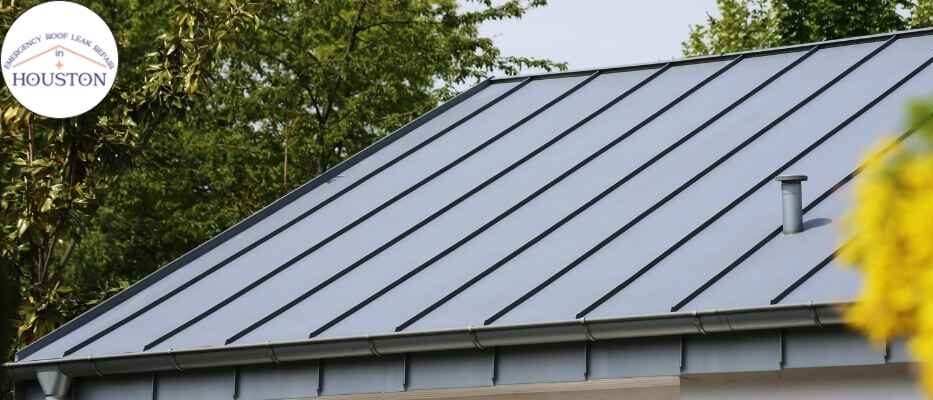
- Standing seam systems with concealed fasteners that deliver a clean, uninterrupted appearance while improving weather resistance and long-term structural performance.
- Architectural profiles that mimic slate or tile, offering the refined, traditional look of classic materials with the lightweight efficiency of metal systems.
- Heavier gauge panels for enhanced durability, designed to withstand harsh climates, resist deformation, and extend the overall lifespan of the installation.
- Custom trim and edge detailing tailored to each project, ensuring precise transitions, sharp aesthetics, and a cohesive architectural finish.
- Advanced ventilation integration that promotes airflow, manages moisture, improves energy efficiency, and supports healthier building envelopes.
These upgrades raise upfront cost, but they also improve performance and longevity. Premium styles aren’t about luxury alone they’re about reducing maintenance and extending service life.
Material Quality, Finishes, and Coating Expenses
Paint systems and protective coatings quietly affect both price and lifespan. High-quality finishes resist fading, chalking, and corrosion far better than basic coatings. Alloy blends add strength while allowing panels to expand and contract safely.
When homeowners ask how much does a metal roof cost, I remind them that finishes are part of that equation. Better coatings mean fewer touch-ups, better energy reflection, and a roof that looks good for decades. Skimping here can cost more later.
Old Roofing Removal and Preparation Costs
Before new metal roofing can be installed, the existing roof often needs to be completely removed. This tear-off process involves labor costs, disposal fees, and time, all of which must be accounted for in the overall project budget.
Once the old materials are removed, contractors can properly inspect the decking beneath. Any damaged, rotted, or weakened areas should be repaired or replaced before moving forward. Addressing structural issues at this stage prevents future problems and helps ensure the new roof performs as intended. While preparation work isn’t the most visible part of the project, it is critical for durability, safety, and accurate cost planning.
Installation Methods and Labor Cost Differences
| System Type | Labor Intensity | Cost Impact |
| Exposed fastener | Lower | More budget-friendly |
| Standing seam | Higher | Long-term reliability |
| Specialty systems | Highest | Custom performance |
Installation method affects labor time and skill requirements. That difference shows up clearly in overall cost and durability.
Energy Savings and Long-Term Cost Benefits
Metal roofing reflects heat efficiently, which can reduce cooling demand over time. Combined with proper insulation, those savings add up year after year. Add in strong resale appeal and long service life, and the initial investment starts to balance out.
When clients revisit how much does a metal roof cost, we always look beyond installation day to the decades ahead. That long view is where metal roofing shines.
Warranty Coverage, Storm Ratings, and Extra Protection
- Manufacturer warranties tied to coating quality
- Wind and impact ratings for storm resistance
- Optional enhanced underlayments
- Maintenance guidance that protects coverage
Strong protection plans may add upfront cost, but they also reduce financial risk over the roof’s life.
FAQ
What is the typical cost of a metal roof?
On average, metal roofing typically costs between $6 and $12 per square foot, including both materials and installation. For a 2,000-square-foot home, this translates to an estimated total investment of $12,000 to $24,000.
How to calculate the cost of a metal roof?
Metal roofing materials generally cost between $150 and $850 per square, with installation adding an additional $150 to $300 per square. For a 24-square roof, this translates to approximately $7,200–$27,600 for materials and $3,600–$7,200 for labor, depending on the type of metal and installation complexity.
What is the price difference between standing seam and corrugated metal roofing?
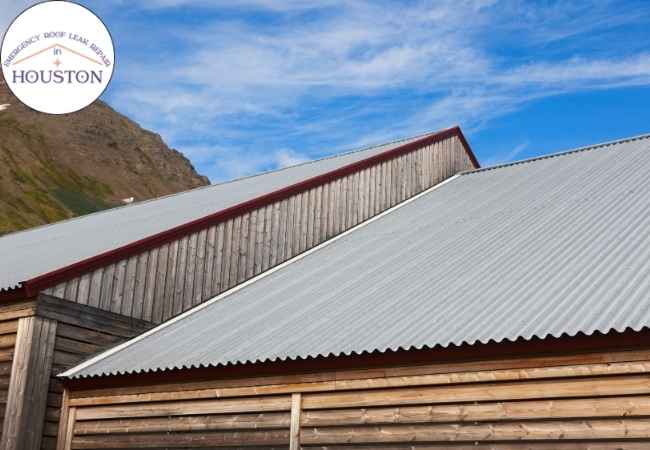
Standing seam metal roofing generally costs about two to three times more than corrugated metal roofing, largely due to differences in materials, design, and installation requirements.
How much are stone coated steel roofs?
A stone-coated steel roof typically costs about $10–$18 per square foot, including materials and professional installation. For an average 2,000-square-foot roof, this usually results in a total price range of approximately $20,000 to $36,000.
Final Thoughts
Budgeting for metal roofing is about clarity, not shortcuts. Know your material options, understand labor differences, and plan for preparation and protection. I’ve learned that homeowners feel best when they see the full picture costs, benefits, and long-term value all together.
When you approach the project this way, metal roofing becomes less intimidating and more strategic. With the right planning, you’re not just paying for a roof you’re investing in durability, efficiency, and peace of mind, so isn’t it worth asking yourself what kind of return you want from your next roof?