
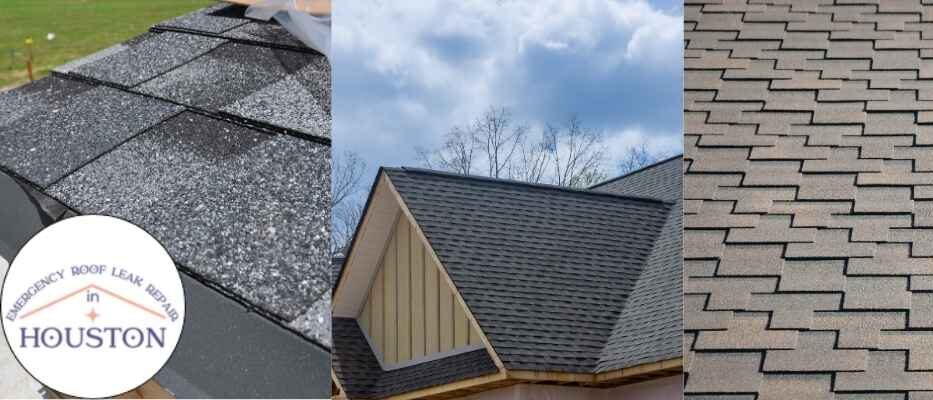
Standing in your driveway at dusk, looking up at the sky, every star seems to shine with its own quiet purpose. Some glow steadily, others sparkle boldly, and a few stand out the moment you notice them.
That’s exactly how choosing shingles feels when you’re planning a roof replacement. I’ve been where you are sorting through options, wondering which choice will truly protect your home.
When homeowners ask me about different types of roof shingles, it’s usually because everything starts to blur together. My job is to slow it down for you. Roofs don’t just need to look good; they need to hold their ground against heat, storms, and time.
I’ll walk you through what actually matters how each shingle behaves, how it ages, and how it supports your long-term plans so you’re choosing with confidence, not confusion, and moving forward knowing your home is covered.
Asphalt Three-Tab Shingle Varieties
| Feature | What It Means for You | Performance Insight |
| Flat profile | Clean, simple roof lines | Consistent appearance |
| Lightweight design | Easier structural load | Fits many homes |
| Standard layering | Single-layer construction | Predictable wear |
| Wind handling | Moderate resistance | Needs proper placement |
| Color options | Traditional palette | Familiar curb appeal |
| Lifespan range | Shorter expectancy | Earlier replacement planning |
| Best use case | Budget-focused projects | Works for straightforward needs |
| Climate fit | Mild to moderate zones | Less forgiving in extremes |
| Visual impact | Subtle and uniform | Blends quietly |
| Overall value | Accessible starting point | Entry-level reliability |
Architectural Laminated Shingle Profiles
Architectural shingles are where many homeowners find balance. These shingles use layered construction that adds depth and texture, giving your roof a dimensional look without feeling overdone. I often recommend them when you want something sturdier than basic options but still familiar.
Their layered design improves resistance to wind and daily weather stress. From a distance, they mimic higher-end materials, boosting curb appeal naturally. When discussing different types of roof shingles, this category often stands out for combining durability with visual interest. They’re well-suited for homeowners planning to stay put and wanting a roof that ages gracefully without constant attention.
Luxury Dimensional Shingle Designs
- Thick, multi-layer construction adds visual depth
- Designed to resemble slate or wood textures
- Strong resistance to harsh weather cycles
- Enhanced shadow lines elevate curb appeal
- Longer performance life compared to basic options
- Ideal for statement homes or renovations
- Holds shape well over time
- Supports higher-end architectural styles
- Delivers confidence through weight and build
- Often chosen for long-term ownership goals
Composite synthetic shingle blends
Composite shingles are engineered with intention. They combine synthetic materials to mimic natural textures while improving consistency and durability. I like them for homeowners who want dependable performance without the unpredictability of organic materials.
These shingles resist cracking, warping, and moisture intrusion, which helps maintain their appearance year after year. When we talk about different types of roof shingles, composites often appeal to those prioritizing stability and uniform aging.
They perform well across varying climates and require minimal upkeep, making them a smart option for homeowners who value reliability and a clean, controlled look over time.
Traditional wood shake shingle styles
- Natural texture with organic character
- Warm, rustic appearance
- Breathable construction supports ventilation
- Requires attentive maintenance
- Sensitive to moisture and heat
- Best for classic architectural styles
- Ages with visible personality
- Needs climate consideration
- Appeals to design-focused homeowners
Metal-Panel Shingle Hybrids
Metal-panel shingle hybrids blend the appearance of shingles with the resilience of metal cores. These systems are shaped to resemble traditional shingles while offering enhanced resistance to weather stress. I’ve seen homeowners choose them when they want something different without stepping too far from familiar aesthetics.
They perform consistently in challenging climates and handle temperature swings well. In conversations about different types of roof shingles, hybrids stand apart by offering strength with subtle style. They’re especially useful when durability is a priority but visual continuity still matters to you.
Eco-friendly recycled shingle options
Recycled shingles speak to homeowners thinking beyond today. These products reuse materials without sacrificing performance, creating a roof that feels responsible and resilient. I often explain how they balance durability with environmental awareness.
They resist common wear patterns and maintain their structure well over time. When considering different types of roof shingles, eco-friendly options show that protection and conscience can coexist. They’re ideal if you want long-term value while reducing waste and supporting smarter material use.
PREMIUM IMPACT-RESISTANT SHINGLE GRADES
- Thick, multi-layer construction adds visual depth
- Designed to resemble slate or wood textures
- Strong resistance to harsh weather cycles
- Enhanced shadow lines elevate curb appeal
- Longer performance life compared to basic options
- Ideal for statement homes or renovations
- Holds shape well over time
- Supports higher-end architectural styles
- Delivers confidence through weight and build
- Often chosen for long-term ownership goals
FAQ
What shingles are best for high wind areas?
Some GAF shingles, including Timberline AS II, are engineered to deliver top-tier performance in both wind and impact resistance. They achieve the highest classification Class F under ASTM D3161, the standard test for wind resistance of steep-slope roofing products. This rating indicates the shingles are designed to endure wind speeds of up to 110 mph.
How long do synthetic shingles last?
Lifespan Composite shingles generally have a longer service life than asphalt shingles, which can help offset their higher upfront price. A roof’s lifespan refers to the number of years it is expected to remain functional. Asphalt shingles typically last around 20 to 30 years, while composite shingles often last between 40 and 50 years.
What are the best shingles for cold climates?
Fiberglass Asphalt Shingles. This type of roofing is a time-tested choice that performs reliably in a wide range of climates, including areas with cold temperatures and heavy snowfall. For maximum durability and protection, architectural-grade shingles are recommended.
What color shingles are best for hot weather?
For hot climates, light-colored shingles are the best choice. Shades such as white, light gray, beige, or soft tan reflect more sunlight and absorb less heat than darker colors. This helps keep the roof surface cooler, which can reduce heat transfer into the home and improve overall energy efficiency.
In addition, many manufacturers offer cool roof shingles that are specifically designed with reflective granules to minimize heat absorption. These options are especially effective in warm and sunny regions and can contribute to lower cooling costs and increased indoor comfort.
final Thought
Choosing shingles isn’t about chasing trends; it’s about aligning protection, appearance, and longevity with how you live. I’ve guided many homeowners through this process, and the clarity comes when you understand how each option truly performs. From simplicity to strength, the different types of roof shingles each bring something unique to the table.
When you match the shingle to your climate, home style, and future plans, the decision stops feeling heavy and starts feeling right. Your roof becomes more than a surface it becomes quiet reassurance overhead. As you picture your home years from now, which shingle choice do you see still standing strong and looking exactly how you hoped it would?