
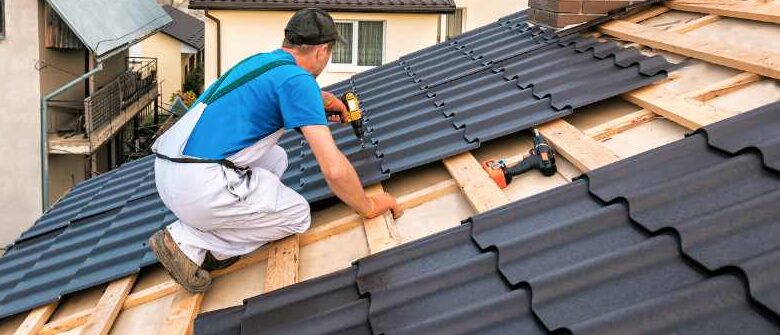
Metal roofing is one of the most durable, energy‑efficient, and long‑lasting roofing materials available today. In Houston’s hot, humid climate with occasional severe thunderstorms and heavy rains, a properly attached metal roof can protect your home while reducing cooling costs and maintenance needs.
To attach metal roofing correctly, you need the right tools, materials, and installation sequence. This guide combines proven methods from expert sources and DIY best practices so you can achieve a secure, weather‑resistant metal roof.
Why Metal Roofing Is a Smart Choice in Houston
Houston’s climate presents specific challenges: high heat, strong sun, humidity, heavy rain, and the threat of high winds from tropical storms. A metal roofing system helps in multiple ways:
- Reflects Heat: Reduces attic heat gain and lowers cooling costs.
- Longevity: Lasts 40–70 years or more far beyond asphalt shingles.
- Low Maintenance: Highly resistant to moss, rot, and wind damage.
- Better Performance: When attached properly, metal roofs handle heavy rain and wind better than many other roof types.
However, attaching metal roofing requires attention to detail: proper layering, correct fasteners, solid sealing, and precise alignment are essential.
Tools & Materials Needed
Before beginning, gather the following:
Tools
- Drill/driver with adjustable torque control
- Aviation snips or metal shears
- Hand seamer (for bending trim)
- Chalk line & tape measure
- Safety equipment (fall protection, gloves)
- Angle grinder (for cutting panels if needed)
Materials
- Metal roofing panels
- Ice & water shield and synthetic underlayment
- Self‑tapping roofing screws with quality rubber washers
- Eave, gable, and rake trim
- Ridge cap and closure strips
- Metal roofing sealant (butyl tape or silicone)
- Sidewall flashing and vent boots
Step‑By‑Step: How to Attach Metal Roofing
Attachment begins with proper preparation and ends with weatherproof sealing. Follow this sequential guide:
Remove Old Roofing and Inspect the Deck
Before attaching new metal roofing, remove old shingles, if necessary. In Houston, local codes sometimes allow a single layer of shingles to remain, but removing them usually provides the best surface for attachment. Inspect the roof deck for rot, sagging, or soft spots. Replace any damaged wood so the metal panels can be securely attached.
Pro Tip: A flat, even surface prevents panel distortion and improves weather resistance.
Install Underlayment
The first layer over your roof deck is underlayment, a crucial moisture barrier:
- Apply ice and water shield especially at eaves, valleys, and roof penetrations.
- Cover the rest with a synthetic underlayment, overlapping seams by 6″ or more.
- Use roofing nails or cap nails to hold it flat and wrinkle‑free.
This layer prevents water infiltration and protects against condensation especially important in humid Houston weather.
Install Drip Edge and Starter Trim
Before panels go on, install metal edge components:
- Drip edge trim along eaves: directs water into gutters and prevents moisture at the roof edge.
- Starter trim at the bottom edge: provides a clean base for the first panels.
Secure trim pieces with roofing screws or nails. Ensure overlap where pieces meet and seal with butyl tape to block moisture.
Snap Reference Lines
Use a chalk line to mark reference lines from edge to ridge:
- These straight lines ensure panels are aligned properly.
- Start on the lowest level and snap perpendicular lines toward the ridge.
Accurate layout prevents gaps and keeps all panels straight.
Attach the First Panel
Now you’re ready to attach metal panels:
- Position the first panel at a bottom corner, aligned with trimmed edges.
- Let it overhang the eave by about ¾″–1″ so water drains away from your fascia.
- Ensure the panel is square to your reference lines.
Once aligned perfectly, secure the panel with screws.
Drive Screws Properly
The key to attachment is proper fastening:
- Use self‑tapping roofing screws with rubber washers designed for metal roofs.
- Place screws on the flat areas of the panel, next to the ribs this ensures sealing and prevents water entry.
- Drive screws perpendicular to the panel not at an angle.
Spacing: Typically 12″–24″ apart depending on wind load and manufacturer specs. Consistent spacing ensures shear strength and prevents warping.
Torque: Adjust your drill clutch so the washers compress slightly without bulging critical for watertight sealing.
Rust Tip: Remove metal shavings immediately they will rust if left on the roof surface.
Overlap Panels Correctly
Each panel must overlap its neighbor properly so water sheds off without entering seams:
- Overlap by at least 1 ridge or seam, depending on panel profile.
- Apply sealant or butyl tape between overlapped edges for added waterproofing.
- Maintain consistent alignment across the roof for a neat finish.
Proper overlapping prevents wind‑driven rain penetration critical in hurricane‑prone areas like Houston.
Install Flashing Around Penetrations
Roof penetrations like vents, chimneys, and skylights create potential leakage points:
- Use flashing pieces engineered for each penetration type.
- Seal flashing edges with high‑quality sealant.
Flashings divert water away from vulnerable joints and prolong roof life.
Secure the Ridge Cap
The ridge cap seals the highest point of your roof:
- Place foam closure strips beneath it to seal against wind, rain, and pests.
- Secure with screws into structural framing.
Ensure the cap overlaps panels on both sides and forms a tight, sealed peak.
Inspect and Clean Up
After all panels and trim are installed:
- Check all screws for appropriate depth and seal.
- Ensure no gaps are visible at overlaps or flashings.
- Remove debris to prevent future corrosion or damage.
A final inspection ensures long‑term performance.
Houston‑Specific Considerations
Wind & Storm Resistance
Houston’s building codes require roofs to handle high wind pressures. Make sure:
- Screw spacing and patterns match local wind requirements.
- Use corrosion‑resistant fasteners important in humid coastal zones.
Heat & UV Exposure
Heavy sun accelerates material aging. Choose:
- Panels and screws with UV‑resistant coatings.
- Sealants rated for high temperatures.
Putting the right products on your house ensures longer life despite Houston’s intense sun.
Common Mistakes to Avoid
Even experienced installers make errors. Here are frequent pitfalls:
- Incorrect Screw Placement: Putting screws in the wrong location or overtightening washers can cause leaks.
- Skipping Underlayment: Sacrificing underlayment saves time but leads to moisture problems.
- Poor Flashing Installation: This is a leading cause of leaks around penetrations.
- Improper Panel Alignment: If the first panel is off, the rest will follow.
Avoid these to protect your investment and prolong roof life.
FAQs
Where should I place screws when attaching metal roofing?
Place screws on the flat parts of the panel near the ribs and into solid framing or decking. Avoid raised ribs unless specified by manufacturer. Correct placement compresses the rubber washer and prevents leaks.
Can I install metal roofing over existing shingles?
Yes, but only one layer and if local codes allow it. Best practice is to remove old shingles for a flat, secure surface. Installing over uneven shingles may require purlins and can complicate screw depth.
How far apart should metal roofing screws be?
Typically screws are spaced 12″–24″ apart, depending on wind load, panel type, and manufacturer specifications. Closer spacing helps in high‑wind areas like Houston. Always follow product guidelines.
What type of screws should I use for metal roofing?
Use self‑tapping or self‑drilling screws with high‑quality rubber washers and corrosion‑resistant coating. These seal water and prevent rust in Houston’s humid environment. Avoid cheap, non‑UV resistant screws.
Is attaching metal roofing a DIY project?
Yes, if you’re experienced with roofing, tools, and safety. But complex rooflines or high roofs may require professionals to ensure correct attachment, code compliance, and warranty coverage.
final thought
Attaching metal roofing correctly combines preparation, precision, and the right materials. From underlayment to ridge cap, each step affects how well your roof performs in Houston’s unique climate. Whether you’re DIYing or supervising a contractor, understanding how to attach metal roofing ensures a strong, weather‑resistant, and long‑lasting roof that adds value to your home.